
AI UGC ads are creator-style adverts built from a script, a face and a product image instead of a filmed take. One person, one product, one claim, shot vertically and spoken straight to camera. It looks like the ad a creator would have sent you. Nobody posted a sample, and nobody waited two weeks for the edit.
That is the appeal, and also the trap: it is quick enough to make a lot of bad ads very fast. This guide covers what works, how to brief and test it, and where the honesty line sits.
What AI UGC ads actually are
UGC stands for user-generated content. In advertising it now means a style more than a source: handheld framing, a real room, a person talking like a person.
AI UGC keeps the style and swaps the production. The person on camera is a generated actor. The product enters the frame as an image.
The dominant unit is short: 9:16, ten to thirty seconds. The hook lands in the first second or the clip never gets watched. The AI UGC page covers the category and its vocabulary.
Why one face matters
A stock avatar is a perfectly good face. It can also turn up in somebody else's ad.
Recognition is most of what a creator ad buys. If the face in your newest ad is the face from your first, every impression builds on the last one. If the face changes with each render, you are starting again every time.
That is the case for a trained identity rather than a rotating cast. On Famebase the actor is a trained influencer, a Marketplace 1-of-1 or a character you brought and trained, who comes back the same in every clip. Swap the room, the outfit and the product, and the person stays recognisable. One face, every product. New to trained identities? What is an AI influencer? is the short version.
The formats that work
Three do most of the work in a paid account.
The hook-led talking head. Your actor delivers a script to camera, lip-synced. The first line is the whole job. Problem hooks, question hooks, comparison hooks and objection hooks are all the same ad with a different first sentence, which makes this the cheapest format to test.
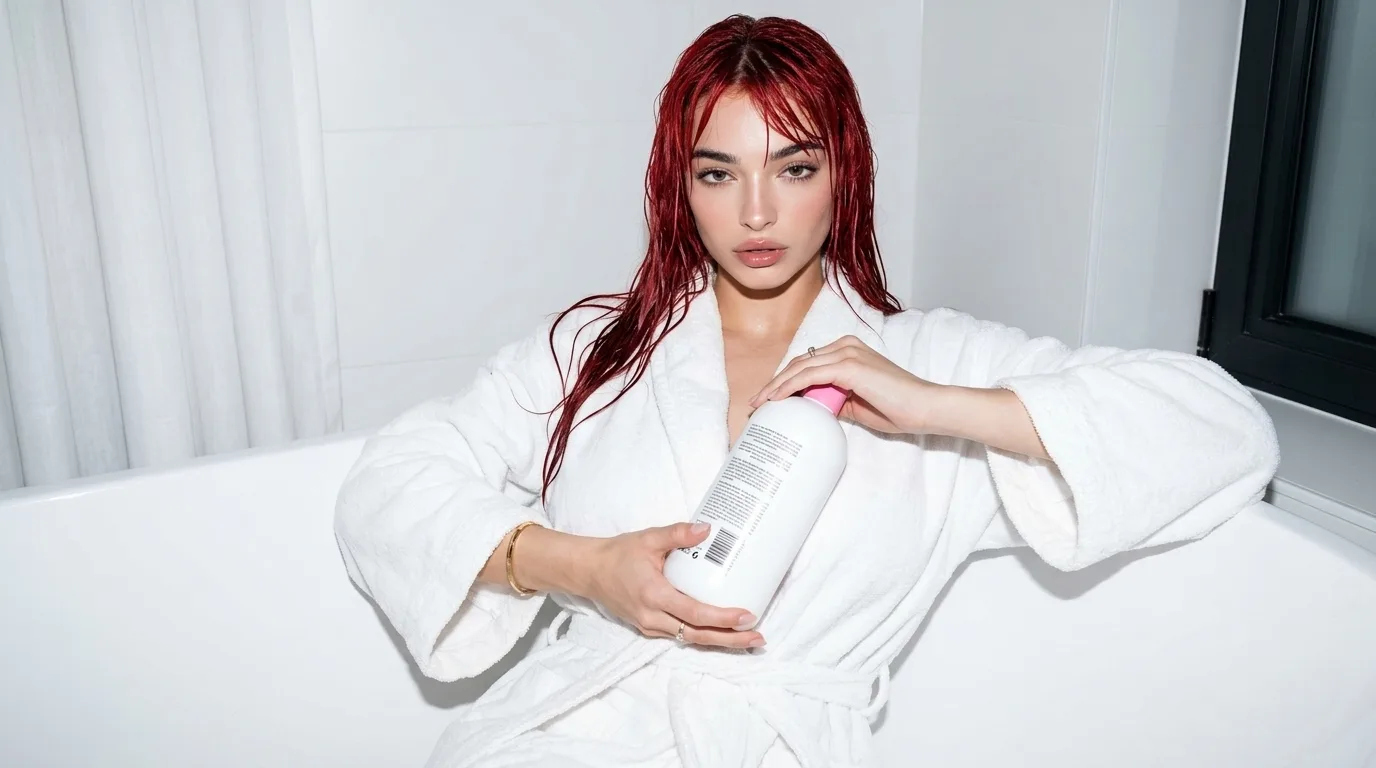
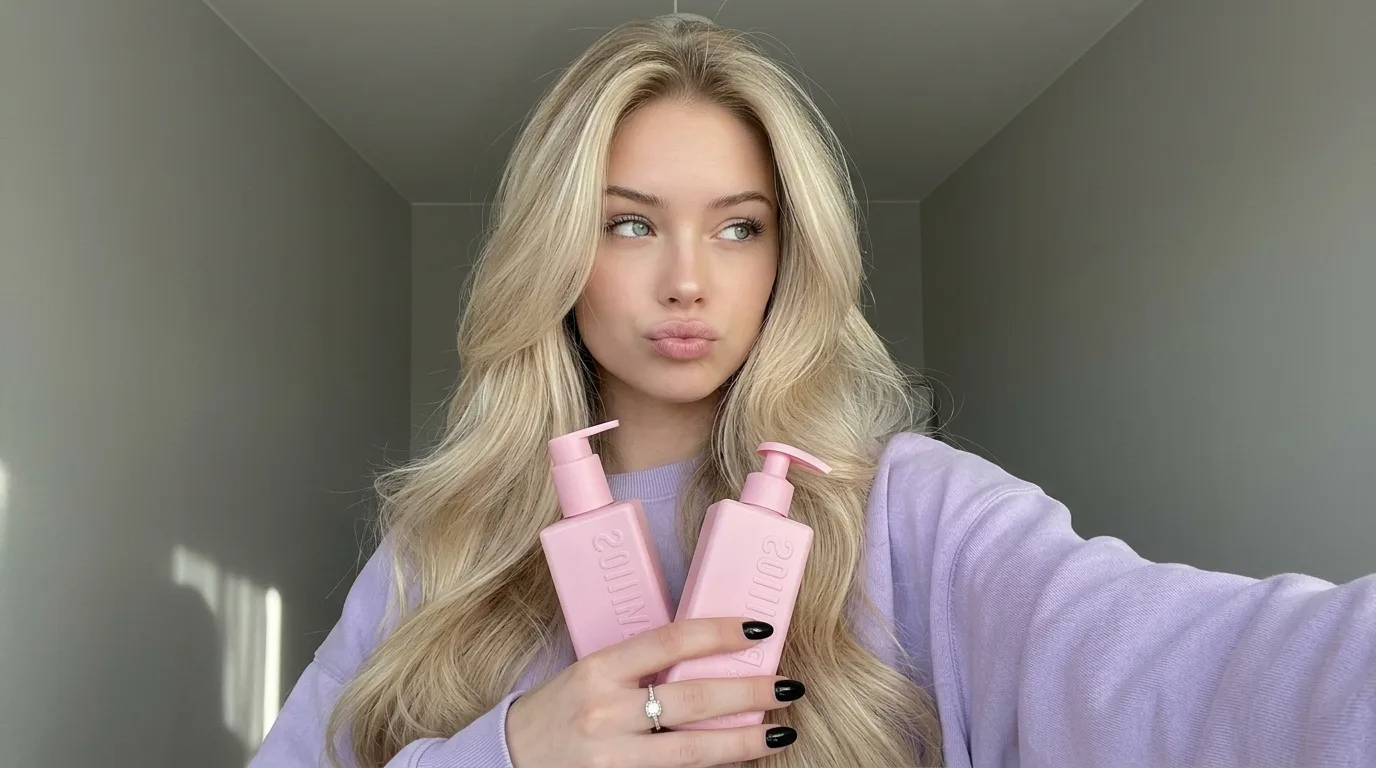
The product demo. The product is in her hands: unboxing it, applying it, wearing it, using it. This is the beat that carries the middle of an ad, and it is where a generated ad has to be most careful. Show what the product does. Do not show what you wish it did.
The testimonial-style ad, framed honestly. The structure of a testimonial works: a person, a problem, a product, a recommendation. What does not work, ethically, and in the United States legally, is presenting a generated actor as a real customer with a real result. Write it as a presenter or a brand spokesperson. "Here is what it does and who it is for" is fine. "I lost the weight in six weeks" is not hers to say.
Statics belong in the mix too. The AI ad creative page lists the full set of units.
How to brief an AI UGC ad
The brief stops being a production plan. No shoot list, no shipping address. What is left is the part that mattered all along.
- Pick the angle. Start from the claim you want to test: price, problem, social proof, use case. One claim per clip.
- Write the script. Hook, problem, proof, call to action. Sixty to ninety spoken words fills a twenty-second clip.
- Write three hooks against one body. If you only write one, you have an ad. If you write three, you have a test.
- Add the product. Upload the product images and they go into the frame: held, worn or used.
- Render the control. Get the first version right. Everything after it inherits its choices.
Stuck on the concept? Feedroll is a library of 10,000+ concepts that already worked. Pick one, hit Recreate, and it comes back performed by your influencer with the framing intact. Then rewrite it for your product.
The step-by-step version, with demo clips, is on the AI UGC generator page.
How to test creative at volume
Ad accounts starve on three creatives. The point of generating ads is not that each one is cheaper. It is that you can put a dozen angles into the auction and keep the two that survive.
That only works if the test is clean. Change one thing at a time:
- Hook. The first line of the script. Tests which promise earns the next three seconds.
- Opening frame. The still the ad loads on. Tests whether people stop before a word is spoken.
- Setting. Bedroom, gym, street, studio. Tests which context reads as native.
- Framing. Close-up, mid, full body. Tests product-led against person-led.
- Call to action. Spoken, on-screen, or both.
Hold the concept still while one variable moves. Change the hook and the setting together, and you will learn that something worked without learning what.
When a concept wins, the follow-ups are the cheap part. Same face, same setting, new hooks.
Sometimes AI UGC beats filmed ads, sometimes it does not, and only your ad account can settle it. Run it against the creator ads you already have rather than replacing them on faith.
Disclosure: what Meta and TikTok expect
Both platforms allow AI-generated ads. Both have labelling rules for them. The details below were correct at the time of writing, and they change, so read the policy pages yourself before you scale.
TikTok. Its advertising policy says significantly edited media and AI-generated content is allowed if you apply the AI-generated content label or add your own clear disclaimer, caption, watermark or sticker. It also says that if it finds undisclosed AI-generated content, the ad will be rejected or restricted.
Meta. Meta applies an "AI info" label to ads created or significantly edited with its own generative AI features, and has said it will begin detecting ads made with third-party AI tools through industry-standard signals and label those in About this ad. When Meta's own tools produce an AI-generated photorealistic human, Meta says the label appears next to the Sponsored label, not tucked behind the three-dot menu.
The practical rule: treat disclosure as part of the upload, every time.
Honesty: the line you do not cross
Labelling the ad as AI covers how it was made. It does not cover what it says.
A generated actor has not used your product. She has not tasted it, worn it for a month or seen a result. So she cannot give testimony, and a script that pretends otherwise is a fake testimonial. In the United States that is more than bad manners: the Federal Trade Commission's rule on consumer reviews and testimonials targets testimonials that misrepresent that they are by someone who does not exist, or by someone who had no actual experience with the product.
So, three working rules:
- No invented customers. Do not give a generated actor a name, a backstory and a result, then present her as a buyer.
- No claims the product cannot support. A demo shows what the product does. If the real thing would not do it on camera, the generated one should not either.
- Real proof stays real. If you have genuine customer reviews, quote them as reviews. If a result matters, let the person who had it say so.
This is also where AI UGC is the wrong tool. Testimony about a real result and regulated claims that need a named, real endorser belong to humans. Most teams run both: AI UGC for volume, creators for testimony.
Where to start
Pick one product and one claim. Write three hooks. Render them with the same face, label them, run them against what you already have, and read the result after a fair spend.
Talking Video, Motion Control and product placement, the parts most UGC ads need, sit on the Pro plan. Commercial usage rights are included, so what you render can run as paid media. Current plans are on the pricing page.
Then keep the two that survive, and write three more.
Questions, answered
What are AI UGC ads?
Creator-style adverts built from a script, a generated actor and a product image instead of a filmed take. They are usually vertical, ten to thirty seconds long, with one person, one product and one claim.
Are AI UGC ads allowed on Meta and TikTok?
Both allow them, with labelling rules. TikTok asks advertisers to apply its AI-generated content label or a clear disclaimer, and Meta applies an AI info label to ads made with its own generative AI features. Check the current policy before you scale.
Can an AI actor give a testimonial?
No. A generated actor has not used the product, so presenting her as a real customer with a real result is a fake testimonial. Script her as a presenter who explains what the product does, and leave testimony to real customers.
Do AI UGC ads perform as well as filmed UGC?
Sometimes better, sometimes worse, and only your ad account can settle it. Run them against the creator ads you already have instead of replacing those on faith.
How many variants should I test?
Write at least three hooks against one script body, and change one variable at a time so you can read the result. Keep the ones that survive and build the next batch from them.