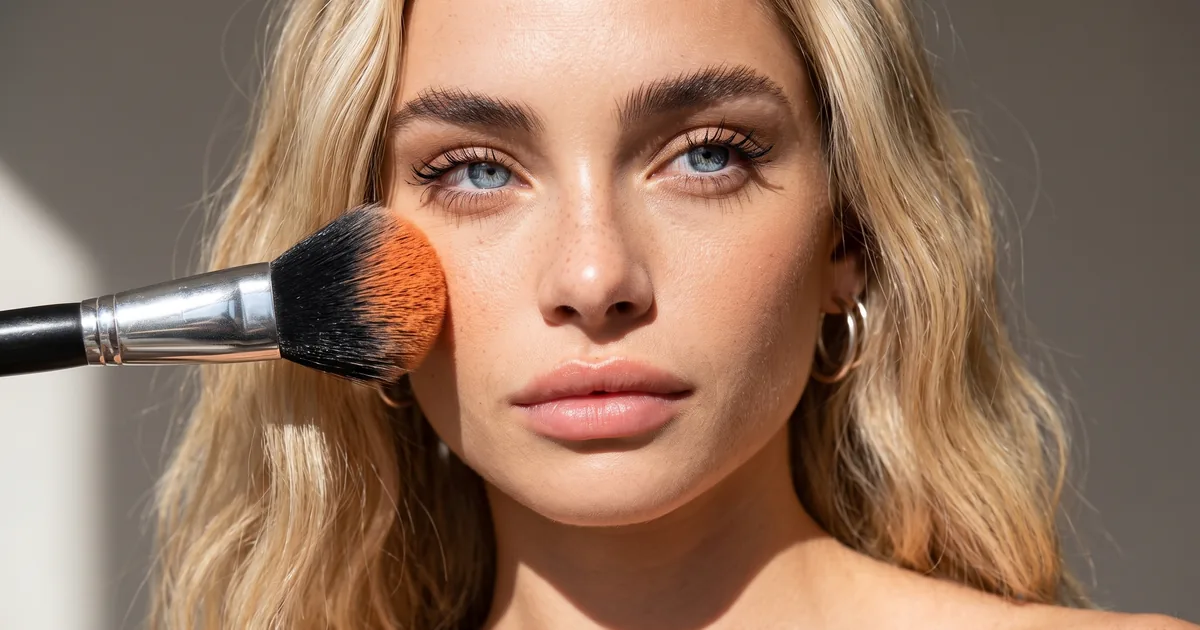
Most lists of AI UGC examples are a gallery of clips you cannot reuse. This one is a set of formats. Ten of them, each with what it is for, the hook, the shot list in one line, and when to reach for it.
A note on honesty before we start. These are patterns, not case studies. No brand names, no borrowed results, no invented numbers. The hooks are sample lines with a gap where your product goes. Rewrite them in your own voice.
What counts as AI UGC
UGC-style content looks like something a person made on their phone: handheld framing, a real room, someone talking like a person. AI UGC keeps the style and swaps the production. The person on camera is generated, and the product enters the frame as an image.
The dominant unit is short. Vertical, ten to thirty seconds, one person, one product, one claim. The hook lands in the first second or the clip never gets watched. The AI UGC page covers the category and its vocabulary in full.
AI UGC examples: ten formats to copy
1. The problem-first talking head
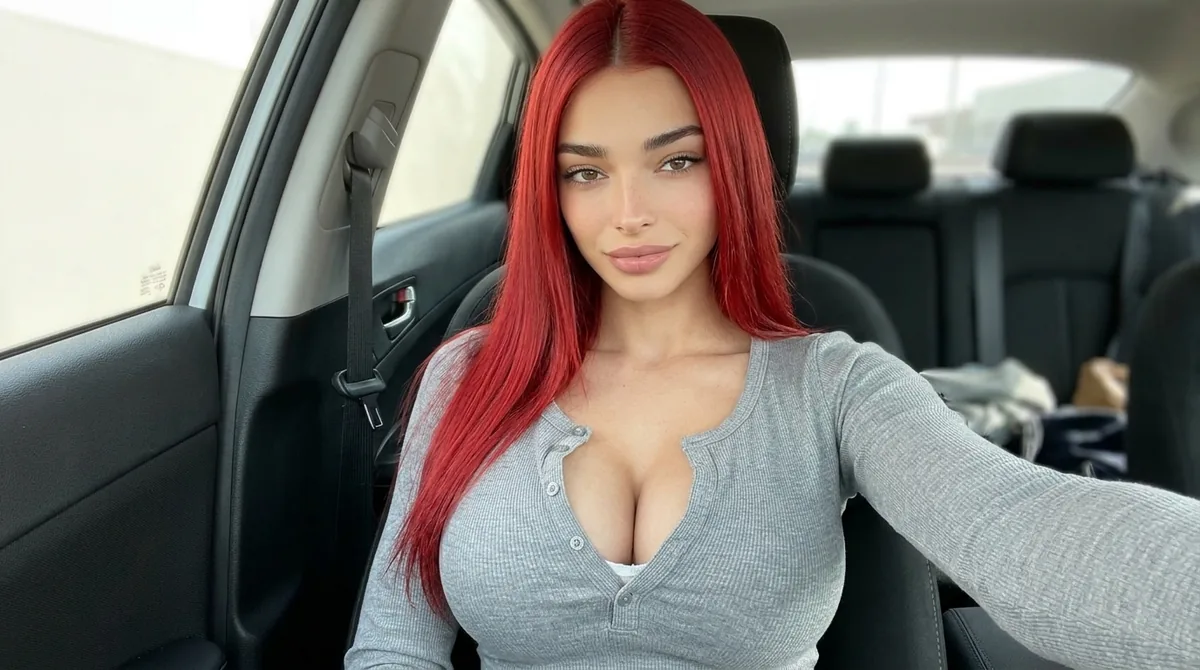
What it is for: Cold audiences who do not know the product exists. Hook: "If your [thing] keeps [annoying problem], watch this." Shot list: Close-up to camera, product raised into frame halfway, spoken call to action. Use it when: You are testing which problem earns attention. Change the first line and nothing else.
2. The unboxing
What it is for: Showing what actually arrives. Hook: "It finally came. Let's open it." Shot list: Box on a table, hands open it, product held to camera, one line on first impressions of the design. Use it when: Packaging is part of the appeal, or the product is new enough that people want a look before a pitch.
3. The how-I-use-it demo
What it is for: The middle of the funnel. People who know the product and want to see it work. Hook: "Here is how this fits into a morning." Shot list: Product in hand, three steps of use, finished result in frame. Use it when: The product explains itself better in motion than in copy. Keep the demo to things the product really does.
4. Three reasons
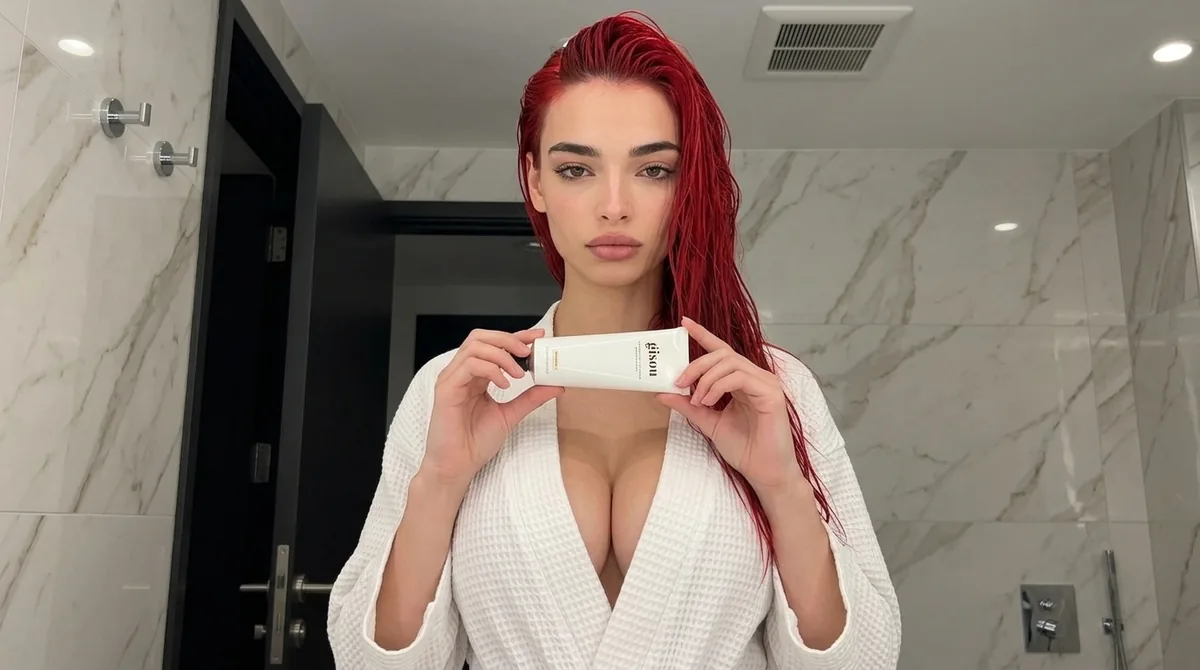
What it is for: Packing several selling points into one clip without a ramble. Hook: "Three things nobody tells you about [product category]." Shot list: To camera, a cut and a new framing for each reason, product shown on the third. Use it when: You have more than one strong angle and want to find out which gets replayed.
5. The objection answer
What it is for: Shoppers who are close and stuck on one doubt. Hook: "The question we get most: does it [doubt]?" Shot list: To camera, question as on-screen text, a short demonstration as the answer. Use it when: Support keeps answering the same thing. Use a question customers really ask. Do not invent a comment to reply to.
6. The old way and the new way
What it is for: Products that replace a habit rather than another brand. Hook: "I stopped doing [old way]. Here is what I do now." Shot list: Old method in one shot, product in the next, side-by-side close. Use it when: The competition is a routine, not a rival. Compare methods, not named competitors.
7. The routine
What it is for: Placing the product inside a day instead of on a pedestal. Hook: "Get ready with me. Five minutes, four products." Shot list: Mirror or desk set-up, each step in order, product gets one beat, finished look. Use it when: You sell beauty, fitness, food or anything used daily. The product is a guest in the video, which is why it does not feel like an ad.
8. The try-on
What it is for: Fashion and accessories, where fit and styling do the selling. Hook: "One jacket, three ways to wear it." Shot list: Full-body frame, same person and room, an outfit change on each cut. Use it when: You have a catalogue and the same face needs to carry all of it.
9. The presenter recommendation
What it is for: The job a testimonial usually does, done honestly. Hook: "If you are [type of person], this was made for you." Shot list: Mid-shot to camera, product in hand, who it suits, where to get it. Use it when: You want a recommendation without borrowing an experience nobody had. More on this below.
10. The lifestyle still
What it is for: Feeds, carousels and retargeting, where the hook-led video has already been seen. Hook: None spoken. The image and one line of text do the work. Shot list: Product in the place a customer would use it, person in frame, natural light. Use it when: You need statics to sit next to the video. Same face, new setting.
Which format should you start with?
Work back from the job, not the trend.
- Nobody knows you yet. Start with the problem-first talking head and three reasons. Both are cheap to vary, because the variable is a sentence.
- People know you and hesitate. Demo, objection answer, old way and new way.
- You have a wide catalogue. Try-on and lifestyle stills. Filming forces you to pick five products. Generated UGC gives the long tail its own clip.
- The account has gone quiet. Routine and unboxing, on a schedule you can keep.
Then change one thing at a time. Hook, opening frame, setting, framing, wardrobe and call to action are each a separate test, and changing two at once tells you nothing. The AI ad creative page sets out each lever and what it actually measures.
What should you not copy?
The fake customer. It is the most tempting format in the list of AI UGC examples you will see elsewhere, and the one to leave alone.
The person on screen was rendered, not sent a sample. There is no first week, no before and no after for her to report. The US Federal Trade Commission's guidance on endorsements puts the principle plainly: an endorsement has to reflect the honest opinion of the endorser, and you cannot talk about your experience with a product you have not tried. Other countries have their own rules, so check the ones that apply where you advertise.
So write format nine as a presenter, not a customer. She can describe the product, say who it suits and point to where it is sold. She cannot report a result, because there was not one.
Generated UGC is also the wrong tool for taste, smell and texture, for regulated claims that need a named, real endorser, and for deals where the creator's own audience is what you are buying. Film those.
How do you make these without filming?
You need a face that stays the same, a script and a product image.
On Famebase the face is a trained influencer, so the person in your tenth clip is the person from your first. She is a 1-of-1 bought from the Marketplace, which arrives trained, or your own existing character, trained on Famebase. Talking Video takes a script and delivers it to camera, lip-synced. Product placement puts the item in the shot. Outfit swaps handle the try-on. Motion Control sets the camera move and the action. The AI UGC generator page walks through the steps.
If the blank page is the problem, start from Feedroll. It is a feed of 10,000+ posts, poses, outfits, locations and concepts that already worked. Pick one, hit Recreate, and it comes back as your influencer. Feedroll is included on every plan. Which plan carries each tool is on the pricing page.

Do you have to label it as AI?
Treat the label as the default.
At the time of writing, TikTok asks creators to label AI-generated content that contains realistic images, audio or video. Meta says it adds an "AI info" label when it detects industry-standard AI indicators or when people disclose that they are uploading AI-generated content. Rules are set per platform and they change, so read the current policy before you post or run an ad.
A generated presenter is fine. Passing her off as a customer is not.
Where to go next
Pick two formats from the list. Write five hooks for each. Render them, run them, keep what survives.
If the idea of a trained identity is new, What is an AI influencer? is the short version. If you already have the face, open Feedroll and start recreating.
Questions, answered
What are AI UGC examples?
They are creator-style videos and stills made from a script, a generated person and a product image instead of a filmed take. Common formats include the talking head, the unboxing, the demo, the routine and the try-on.
Which AI UGC format should I test first?
Start with the problem-first talking head. Each new version is one rewritten opening line, so you can try a lot of angles quickly.
Is the fake customer review a format worth copying?
No. Leave it out of the list. Use the presenter recommendation instead, where the person on screen describes the product and who it suits without claiming a result of her own.
Do I need to label AI UGC as AI-generated?
Treat labelling as the default. The major platforms have their own rules for realistic AI-generated media and they change, so check the current policy before you post.
How long should an AI UGC video be?
The dominant format is vertical and ten to thirty seconds long, with one person, one product and one claim. The hook has to land in the first second.