
A virtual influencer is a persona with an audience and no body. She posts, she models, she answers comments, she takes brand deals — and there is no person behind the face, only the people running the account. The follower count is real. The engagement is real. The money is real. The model is not.
For a few years that description belonged to a handful of expensive studio projects. It does not any more. Virtual influencers are now something one person can set up in an afternoon and run for years, which is why the question has quietly changed from "how is that possible" to "how do I get one".
What a virtual influencer actually is
Three things, stacked:
- An identity. A face that stays the same across every post. This is the hard part, and everything else depends on it.
- A point of view. A niche, a tone, a reason to follow. Fitness, streetwear, travel, beauty, product reviews — a virtual influencer with no subject is just a portrait generator.
- A publishing habit. Something posted often enough that the algorithm and the audience both learn the account exists.
Miss any one and it does not work. A perfect face that posts twice a month is a wallpaper account. A daily poster whose face changes between images is not an influencer at all — it is a stock feed.
The terminology around this is a mess. Virtual influencer, digital influencer, CGI influencer, AI avatar, synthetic creator: all roughly one thing, each from a different production era. We untangled them on the synthetic creator page if you want the map.
Why Instagram made them work
Instagram is the native habitat, and it is worth understanding why.
The platform rewards a consistent visual identity. A grid is judged as a whole. Faces perform better than objects. Series perform better than one-offs. All of that suits a character whose look never drifts, never ages out of a shoot, and never has a bad week.
It also removed the two constraints that used to cap a creator's output: location and availability. A virtual influencer can be in Tokyo on Monday and a studio on Tuesday, wearing something that has not shipped yet, in a shot nobody had to book. When people search for virtual influencer Instagram accounts, that is what they are actually looking at — feeds with a range no single human schedule could produce.
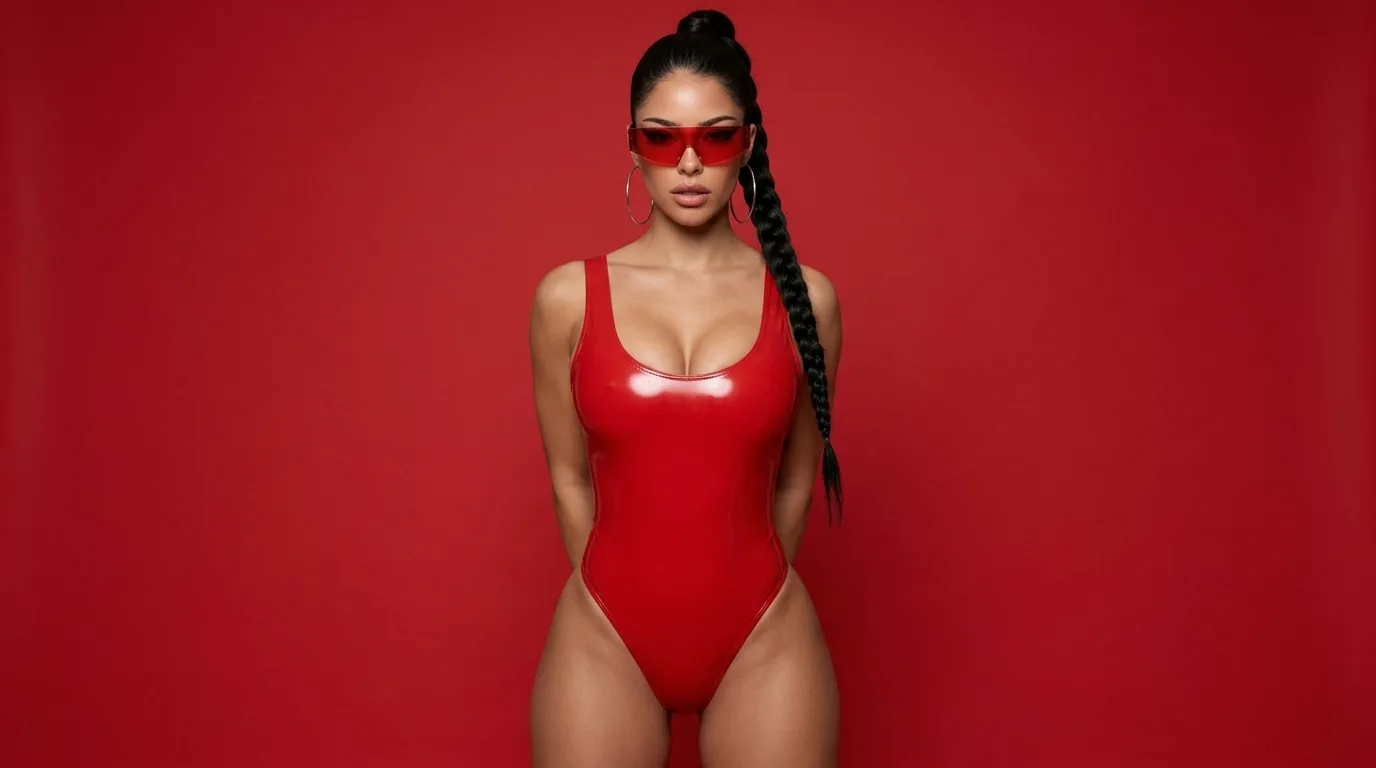
The format spread helps too. A virtual influencer can carry a carousel, a Reel, a story poll and a static post in the same week without any of them needing a call sheet, and the formats that reward volume are the ones that used to be the most expensive to fill.
The comment sections stayed human, though. Audiences follow characters knowingly, the same way they follow animated ones, and the ones that do best are open about what they are. The account is generated. The relationship is not, and it still has to be earned in the replies.
What brands are buying
Virtual influencer marketing is not one product. Brands buy at least four different things, and they price them differently:
- Reach. The traditional deal: a post to an audience. This is the smallest part of the market now.
- Content. The brand does not want the audience, it wants the images. A character that can shoot a full catalogue overnight is a production line, not a media buy.
- Control. A virtual influencer does not have a private life to go wrong, a scheduling conflict, or an opinion the brand has to underwrite. For regulated categories that is worth more than reach.
- Speed. A campaign concept can be shot, reshot and reshot again the same day. Test ten variants before lunch, run the one that works.
The second and third are why brands that would never have hired a CGI character in 2019 are running their own now. The deliverable is content, and content has a budget line already.

The four ways one earns
If you are running the character rather than hiring one, the revenue looks like a creator's, with one addition:
- Brand deals and UGC. Ads in the creator format, made without a creator brief, a shoot or a shipped product.
- Ecommerce and TikTok Shop. Your influencer becomes the model for your own catalogue. Every product gets a body, every listing gets a face.
- Subscription platforms. Consistent premium content, published on a schedule, without a production grind.
- The character itself. Trained identities are assets. A face with an audience attached is worth more than a face without one.
Most accounts that work run two of these, not one.
What it actually takes to run one
Less than people expect on the technical side, more on the editorial side.
The technical side is solved. You do not need 3D skills, a rig, a render farm or a studio. You need a trained identity and a way to put it in new scenes. On Famebase that means either buying a professionally trained influencer from the Marketplace — each one sold once, arriving ready to shoot — or bringing a character you already have and training it.
The editorial side is where accounts die. You need to decide what the character is interested in, what it will never post, how it speaks, and what a week of its content looks like. That is a brief, and nobody can generate it for you.
The middle ground — "what do I post today" — is the part worth automating. Feedroll is 10,000+ concepts, poses, outfits and locations that already performed, and one click recreates any of them with your influencer's face. The rest of the creation tools handle video, product placement and outfit swaps on the same identity.

Practically, a week looks like this: pick eight to twelve concepts, recreate them, write the captions, schedule, then spend the time you saved on the comments. The posting is no longer the bottleneck. The judgement is.
What they cannot do
Worth saying plainly.
A virtual influencer cannot testify. It has not tasted the product, worn the shoes for a month or driven the car, so any claim built on lived experience is either a lie or somebody else's words in a synthetic mouth. Categories that run on personal proof — supplements, medical, financial advice — are the worst fit, and the ones that run on look, styling and demonstration are the best.
It also cannot show up. No launch parties, no store openings, no panel appearances. Some brands solve this by pairing a virtual character with a human ambassador and letting each do the half it is good at.
And it will not save a bad account. The character removes the production constraint, not the need for something worth saying.
The rules to get right
Three, and none of them are optional.
Disclose. Say the account is AI. Platform policies increasingly require labelling generated media, and several networks now apply the label automatically whether you do or not. Audiences are fine with a character; they are not fine with being played.
Do not use someone else's face. A virtual influencer built from a real person's likeness without consent is a legal problem wearing a marketing costume. Train on a face you own or a face you bought.
Read the brief before the deal. Some brands want the character disclosed prominently, some regulated categories restrict what a non-human endorser can claim, and it is cheaper to ask than to reshoot a campaign.
Where to start
If you are trying to decide whether this fits your business, work backwards from the output. Count the images and videos you need in a month. Price what those cost today in shoots, models, editing and time. Then look at what a trained identity produces in the same month.
For most people the number that matters is not cost per image, it is posts per week — because the account that publishes consistently is the one that compounds.
Three places to go next:
- What is an AI influencer? — the shorter, plainer version of this article.
- The AI influencer guide — how one gets chosen, trained and monetised, end to end.
- Pricing — your influencer is included in every plan, from $35 a month.
Or skip the reading and go look at faces. The Marketplace is where most people find theirs, and picking one takes about ten minutes.
Questions, answered
What is a virtual influencer?
A virtual influencer is a persona with an audience and no body. She posts, models, answers comments and takes brand deals, and there is no person behind the face, only the people running the account.
How do virtual influencers make money?
Four ways: brand deals and UGC, ecommerce and TikTok Shop, subscription platforms, and the character itself, because a trained identity is an asset. Most accounts that work run two of these, not one.
Do I need 3D skills to run a virtual influencer?
No. You do not need 3D skills, a rig, a render farm or a studio. You need a trained identity and a way to put it in new scenes. The editorial side is the hard part: what the character is interested in, how it speaks, and what a week of its content looks like.
Do I have to disclose that a virtual influencer is AI?
Yes. Say the account is AI. Platform policies increasingly require labelling generated media, and several networks now apply the label automatically. Audiences are fine with a character; they are not fine with being played.