
The AI creator economy is what the creator economy becomes when the person on screen is generated. Same feeds, same brand deals, same subscriptions. The difference is that the face is an asset somebody owns, not a person somebody books.
That sounds like a small change. It is not. It moves the cost, it moves the ownership, and it lets in people who were never going to stand in front of a camera. This guide covers each of those, and then the parts nobody has settled yet.
What the AI creator economy actually is
Start with the ordinary version. A creator builds an audience, then earns from it: brand deals, a share of platform advertising, subscriptions, their own products. The creator is the business, and the business stops when the creator does.
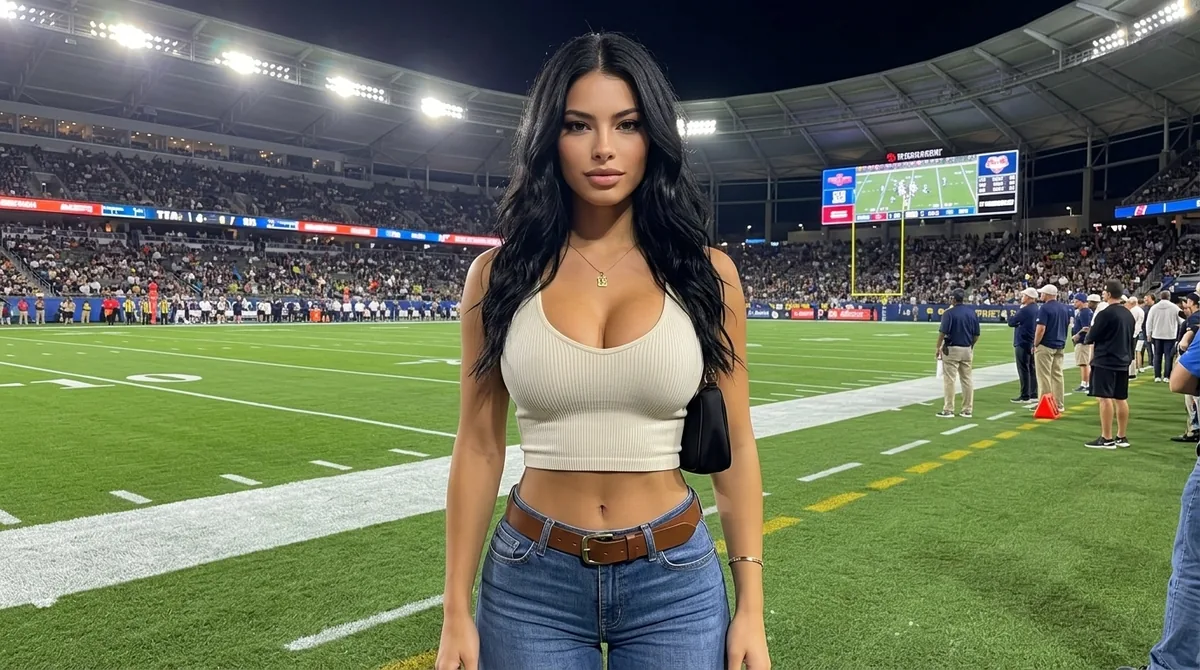
Now swap the creator for a character. A synthetic creator is an identity, a content engine and a business model in one. She has a consistent face, a niche and a posting schedule. The photos and videos are generated rather than shot. The audience and the attention are as real as they ever were.
Two things are often filed under the same heading and should not be. One is human creators using AI tools to write scripts or cut clips faster. That is the old economy with better software. The other is the creator herself being synthetic. That is the new part, and it is what this article is about.
If the vocabulary is already blurring, the glossary defines each term, and the synthetic creator page maps how the category got here, from virtual pop acts to trained identities.
What happens to the cost of production
In the CGI era a synthetic character was a studio project. Behind every post sat 3D artists, riggers and retouchers, and one more post meant one more production cycle. The look was extraordinary. The pace was a studio's, not a creator's.
Generative models collapsed the cost of a single picture. They did not, at first, solve the harder problem: the same face twice. Volume arrived years before identity did.
Trained identities closed that gap. Train a model on one face and consistency stops being a production problem. A new outfit or location is a decision, not a booking. No studio, no crew, no travel, no call sheet.
What this does to a budget is simple. The cost of a traditional shoot is a column: studio hire, photographer, model day rate, styling, travel, retouching, and a usage licence that expires. The synthetic version replaces the column with a subscription. Ours are on the pricing page.
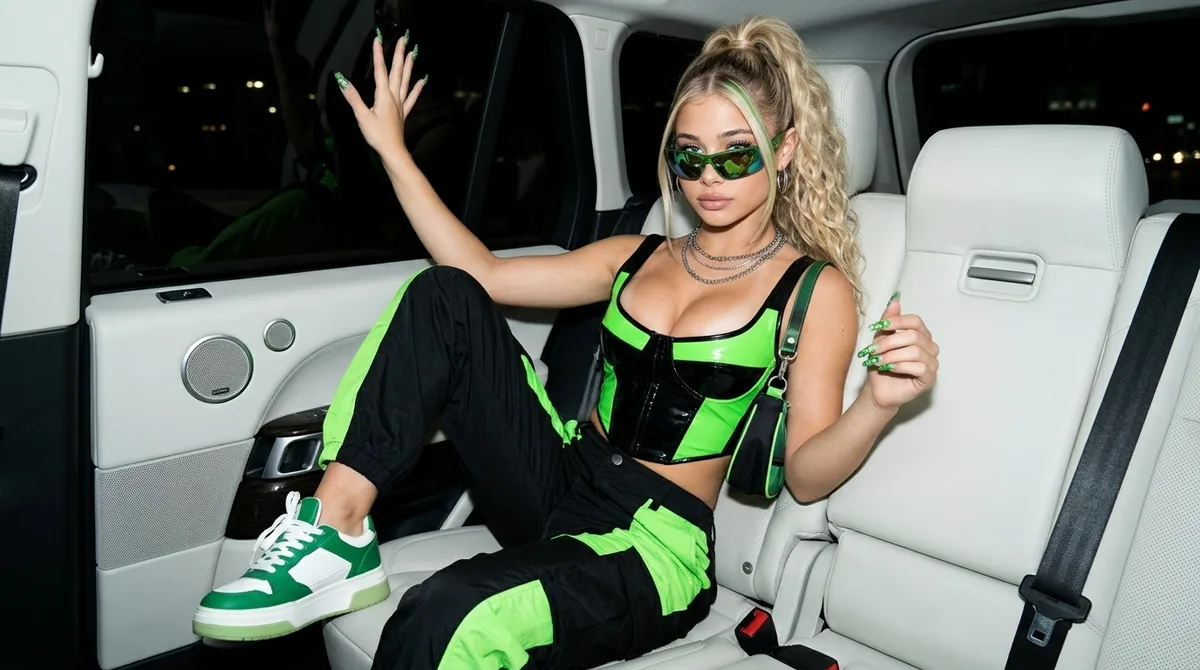
What it does not remove is the thinking. Somebody still has to decide what the character cares about, how she speaks and what a week of her content looks like. Production got cheap. Judgement did not.
Who owns the persona
This is the biggest structural change, and the least discussed.
A human creator's brand is attached to a human. It cannot be sold without them, handed to a colleague, or left running while they take a month off. When an agency builds an audience around a hired face, the face can leave and take the audience with her.
A synthetic persona works differently. The face is the asset. It has no diary and no notice period, and a team can run it as easily as one person can. The audience gathers around the character, so the work you put in builds up in something you hold.

That is the reason the Famebase Marketplace sells each influencer once. A 1-of-1 identity is only an asset if nobody else has the same face. It arrives professionally trained and ready to create. Commercial usage rights are included on every plan, so what she posts is yours to sell and run as paid media. If you already have a character, you can upload your own and train it instead. The pricing page shows which plan includes that.
One boundary matters here. A character you brought with you or bought is yours to build on. Training one on a real person's likeness without consent is not ownership at all. Never do it.
Who is taking part in the AI creator economy
Three groups, mostly, and they want different things.
Solo operators. People who want a creator business without being the face of it. The old version needed a camera, a location and a willingness to be looked at. The new one needs a trained identity and a plan. One person can run it.
Brands. Most brands are not after fame. They want content: on-model imagery for the catalogue, ad variants for testing, a recurring face for the everyday account. A character who never goes off-brief and has no scheduling conflicts is a production line they control. The brands page covers how a team runs one.
Agencies. An agency can hold a face per client, and walk into a pitch with the campaign already shot instead of a mood board.

The ways they earn are the familiar ones: brand deals and UGC, ecommerce and subscriptions. We covered those in virtual influencers: a practical guide.
The risks and the open questions
This is a young market. Some of it is settled. A lot is not.
Disclosure. The direction is clear even where the detail is not. YouTube says creators must disclose realistic altered or synthetic content, and that it may add a label itself when a creator has not. TikTok says it reads Content Credentials metadata to recognise and label AI-generated content made on other platforms. Meta says its labels are based on industry-shared signals it detects, and on people disclosing their own uploads. In the EU, the European Commission states that the AI Act's transparency obligations apply from 2 August 2026. Treat disclosure as the default, and check the current policy before you post.
Platform rules. These policies change. A business that lives on a platform lives by its rules. That was true for human creators too. It is simply more pointed when the rules are about what you are.
Advertising law. Generated does not mean exempt. In the US, the FTC's guidance says an endorsement must reflect the honest opinion of the endorser, and that a connection between endorser and marketer which consumers would not expect should be disclosed clearly. A character cannot taste the product. Build the campaign around look, styling and demonstration, not lived experience, and take legal advice for regulated categories.
Trust. The open question. Audiences follow synthetic creators knowingly. Our view is that the character is the point, not the deception. Nobody yet knows how that holds up when feeds fill with generated faces, or what happens to the value of a face when faces are easy to make. Our guess: consistency and honesty get scarcer, and so worth more.
Where to start
Work backwards from the output. Count the images and videos you need in a month, and what they cost you today. Then decide who the character is before you decide which face to buy from the Marketplace or bring with you.
From there:
- The AI influencer guide covers getting one and running it, end to end.
- Feedroll answers "what do I post today" with 10,000+ concepts you can recreate with your influencer's face.
- What is an AI influencer? is the short, plain version.
The economy is new. The rule is old. Own the asset, be straight with the audience, and post on schedule.
Questions, answered
What is the AI creator economy?
It is the creator economy with synthetic creators in it. The feeds, brand deals and subscriptions are the same, but the face is a generated identity that somebody owns rather than a person somebody books.
Is using AI tools the same as being an AI creator?
No. A human creator using AI to write scripts or edit faster is still a human creator. An AI creator is a synthetic persona whose photos and videos are generated rather than shot.
Can two people have the same AI influencer?
Not on the Famebase Marketplace. Each influencer there is a 1-of-1, sold once and never resold, and commercial usage rights are included on every plan. Never train one on a real person's likeness without consent.
Do AI creators have to disclose that they are AI?
Treat disclosure as the default. The major platforms label realistic AI-generated media, the rules are set per platform and they change, so check the current policy before you post.
Do I need a studio or 3D skills to take part?
No. You need a trained identity and a plan for what the character posts. The production is handled; the judgement is yours.