How do AI influencers make money? The same ways human creators do. Brand deals, ads made for other brands, affiliate links, subscriptions, and products of their own.
None of it is automatic. A face earns nothing on its own. What earns is an audience that trusts the account, or content a business will pay for. This guide walks through the five routes, what each one asks of you, and the rules that come attached. There are no income figures in it, because nobody honest can promise you one.
How do AI influencers make money without an audience?
Start here, because it is the question most people are really asking.
The five routes split into two groups. Some sell attention: a brand pays to reach your followers, or your followers buy through you. Those need an audience first, and an audience has to be built. Others sell content: a business pays for the photos and videos, and does not care how many followers the character has.
Content routes can start on day one. Attention routes open once people are following. Nothing stops you running one of each.
- Brand deals and sponsored posts. Sells attention. Needs an engaged audience.
- UGC-style ads for brands. Sells content. Needs no audience.
- Affiliate links. Sells attention. Needs an audience with buying intent.
- Subscriptions and fan platforms. Sells both. Needs a loyal core.
- Your own products. Sells both. An audience helps, but is not required.
Brand deals and sponsored posts
The classic deal. A brand pays for a post, a Reel or a story in front of your followers.
What it needs is a niche and proof that people respond. Bring more than a follower count to the pitch: the comments, the saves, and who the audience is.
An AI influencer brings something extra to the table: the shoot is not a constraint. A brand can ask for a second concept, a different outfit or a new location without anyone booking a studio. That is the argument on our for brands page, and it works from the creator's side too.
It comes with paperwork. Instagram's creator guidance says that if you are paid in any form for your content, you need to add the paid partnership label, and that gifted products and free trips count. In the United States, the FTC tells influencers to disclose any financial relationship with a brand. Other countries have their own regulators and their own wording, so check the rules where your audience lives.
UGC-style ads for brands
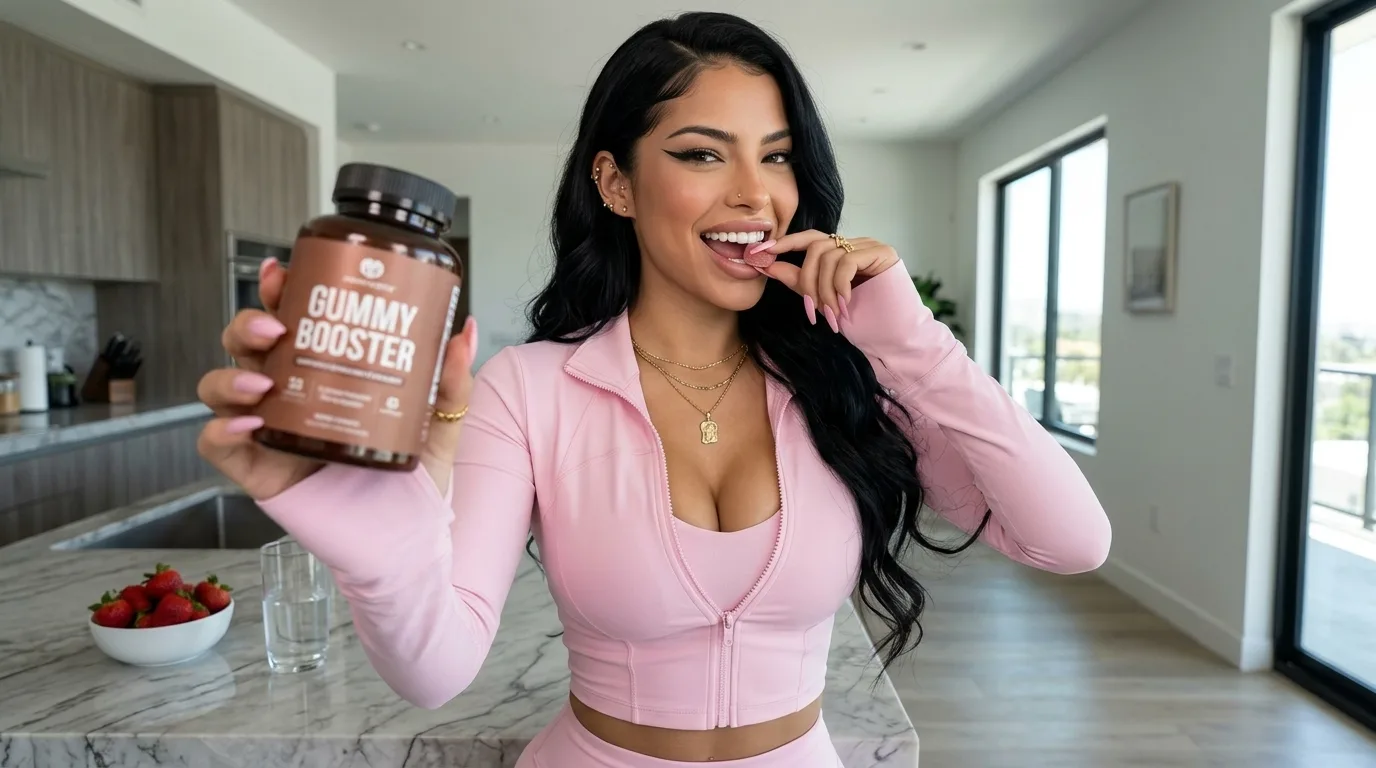
This is the route that does not need followers. The brand is not buying your audience. It is buying creator-style video to run on its own channels and in its own paid media.
What it needs is a portfolio. A handful of sample ads in a clear niche, a consistent face and a fast turnaround. The format is familiar: talking to camera, product in hand, shot as if on a phone. The AI UGC page covers how that format works with a trained identity, and the creation tools include talking video, UGC-style ads and product placement.

Commercial usage rights are included on every Famebase plan, so what you make is yours to sell and the brand can run it as an ad.
One hard line. An AI influencer has not tried the product. The FTC's guidance is blunt about this: you cannot talk about your experience with a product you have not tried. So write scripts that demonstrate and describe. Do not write scripts that testify. Never present her as a human being who tested something she cannot test.
Affiliate links
You recommend a product, a follower buys through your link, you earn a commission from the retailer.
What it needs is an audience with buying intent and a niche where products are part of the conversation. Fashion, beauty, fitness kit, home, tech.
Commission is paid per sale, so it depends on volume. It also comes with a disclosure duty. The FTC asks affiliates to disclose the relationship clearly, and suggests plain wording along the lines of "I get commissions for purchases made through links in this post". Put it where people will see it, not at the bottom of a bio.
Subscriptions and fan platforms
Followers pay monthly for content they cannot get on the public feed.
What it needs is a loyal core, not a big number. Not every follower will pay, so the account needs a public feed that keeps finding new people and a premium tier that gives them a reason to stay. The hard part is the schedule.
That is where a trained character helps. Premium content gets produced on a schedule instead of a mood, and the face holds from one set to the next.
Two cautions. Each platform sets its own rules on generated content and on how it must be labelled, and those rules change, so read the current terms before you build a business on one. And be open about what she is. People who pay should know what they are paying for.
Selling your own products
Here the influencer is the model, not the media. She wears the clothes, holds the product, fronts the listing and appears in the ads.
What it needs is a product. The audience is a bonus. A shop with no social following can still use one consistent face across the catalogue, the product pages and the paid social. Our ecommerce page covers the workflow, including creator-style clips for TikTok Shop.

Digital products count too: presets, guides, templates, courses. There is nothing to ship. The catch is that with no catalogue to front, a digital product leans on the audience, which puts it later in the journey.
What every route has in common
Three things.
A face that holds. Every route above fails if she looks like a different person on Tuesday. Consistency is the product.
A posting habit. Audiences are built post by post. Feedroll exists for this: 10,000+ templates that already performed, recreated with your influencer in one click.
Disclosure. Say she is AI. TikTok requires creators to label AI-generated content that contains realistic images, audio or video. Meta applies an AI label on Facebook, Instagram and Threads when it detects industry-standard signals or when people disclose it themselves. Both policies are as published at the time of writing, and both will change. Check before you post.
Where to start
Pick one content route and one attention route. Start the content route now, because it does not wait for an audience. Start posting now too, because the audience routes only open once people are there.
Then read the longer guides. The AI influencer guide covers running one end to end, and Virtual influencers: a practical guide covers what brands are buying.
Your influencer is included in every plan, from $35 a month. Compare plans, or go and look at faces in the Marketplace.
Questions, answered
How do AI influencers make money?
Five main routes: brand deals and sponsored posts, UGC-style ads made for brands, affiliate links, subscriptions and fan platforms, and selling their own products.
Can an AI influencer earn without followers?
Yes, on the content routes. A brand buying UGC-style ads is paying for the video, not your audience, and a shop can use its influencer as the model for its own catalogue. Brand deals, affiliate links and subscriptions need an audience first.
How much money can an AI influencer make?
There is no honest single figure. It depends on the niche, the audience, the routes you run and how consistently you post. Be wary of anyone who promises an income.
Do I have to disclose sponsored posts and AI content?
Treat both as required. Label paid partnerships and affiliate links clearly, say the account is AI, and check the current policy of each platform and the advertising rules in your country before you post.
Can I use Famebase content commercially?
Yes. Commercial usage rights are included on every Famebase plan, covering social, ads, UGC, ecommerce, TikTok Shop and subscription platforms.